
Key Takeaways
Remanufactured transfer cases can offer significant savings compared to purchasing brand-new units.
Many remanufactured components use OEM parts to help maintain quality, compatibility, and performance.
Thorough inspection, replacement, reassembly, and testing help ensure dependable operation.
Choosing remanufactured parts can reduce material waste and energy consumption.
Reputable suppliers may offer warranties that provide additional purchasing confidence.
Proper maintenance and selecting the right supplier are essential to getting long-term value.
Why Remanufactured Transfer Cases Are a Smart Investment
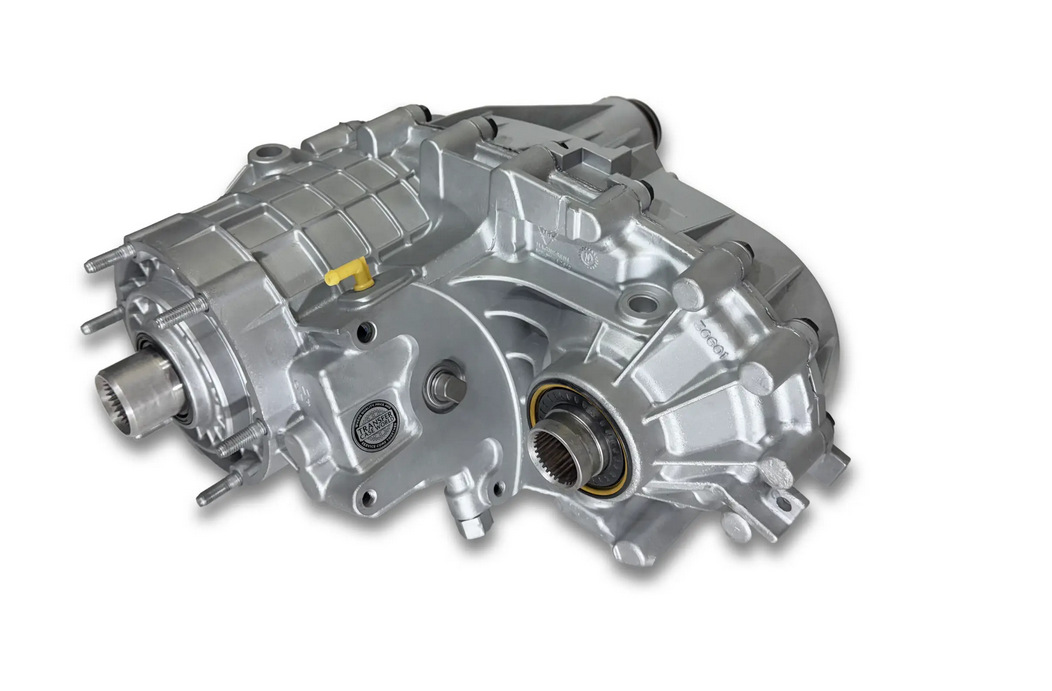
A transfer case plays an important role in vehicles equipped with four-wheel drive or all-wheel drive systems. It distributes power from the transmission to the front and rear axles, helping the vehicle maintain traction across different driving conditions. When this component fails, vehicle performance, reliability, and safety can be affected.
Replacing a damaged transfer case with a brand-new unit can be expensive. Fortunately, remanufactured transfer cases provide another option for vehicle owners and businesses looking to balance performance, reliability, and cost.
Here are ten reasons why choosing a remanufactured transfer case can be a smart investment.
Lower Purchase Costs Compared to New Units
One of the biggest advantages of choosing a remanufactured transfer case is the potential cost savings. Brand-new transfer cases can be expensive, especially for certain vehicle models and specialized applications. Remanufactured units are often available at a lower price because they are rebuilt using existing components that have been carefully inspected and restored.
Depending on the vehicle, supplier, and availability, buyers may save a substantial amount compared to purchasing a new replacement.
These savings can be especially valuable for fleet operators, repair shops, and vehicle owners managing multiple maintenance expenses.
Key financial advantages include:
- Lower upfront purchase costs
- Reduced replacement expenses
- More flexibility when managing repair budgets
- An affordable alternative to brand-new components
Choosing a remanufactured unit allows buyers to direct their budgets toward other important vehicle maintenance needs without automatically sacrificing component quality.
Access to OEM-Quality Components
Quality is an important consideration when replacing a transfer case. Many remanufacturing processes use original equipment manufacturer (OEM) components or parts that meet the required specifications for the application.
Using appropriate replacement parts helps maintain compatibility with the vehicle’s drivetrain system. It can also reduce the risk of problems associated with poorly matched or unsuitable components.
A properly remanufactured transfer case may include:
- Replacement of worn or damaged components
- Inspection of reusable original parts
- Components selected for vehicle compatibility
- Reassembly according to applicable specifications
However, buyers should always confirm the parts used by the supplier. Not every remanufactured unit follows the same procedures or uses identical components.
Thorough Inspection and Quality Control
A remanufactured transfer case is more than a used component that has simply been cleaned. A proper remanufacturing process involves evaluating the unit, identifying worn or damaged parts, and restoring it to an appropriate operating condition.
Each component should be inspected to determine whether it can be reused or needs replacement. This attention to detail helps identify potential problems before the unit is returned to service.
Quality control may involve:
- Checking gears, bearings, shafts, and other internal components
- Inspecting the housing for cracks or damage
- Replacing worn seals and other necessary parts
- Verifying assembly and component fitment
- Conducting functional or performance testing
These procedures help ensure that the finished product meets the supplier’s stated quality and performance requirements.
Reduced Environmental Impact
Choosing a remanufactured transfer case can also support more sustainable automotive maintenance practices. Producing entirely new components requires raw materials, manufacturing processes, and energy.
Remanufacturing makes use of existing components that can still serve a purpose after proper restoration. This helps reduce the need for completely new materials and prevents reusable parts from becoming unnecessary waste.
Environmental benefits may include:
- Reduced demand for newly manufactured materials
- Less waste sent to landfills
- More efficient use of existing components
- Potential reductions in manufacturing-related energy consumption
For businesses that prioritize sustainability, remanufactured automotive components can be one practical way to support more responsible resource management.
Improved Energy and Resource Efficiency
The remanufacturing process can require fewer resources than producing a completely new component. Instead of starting with raw materials, manufacturers restore and reuse suitable parts through cleaning, inspection, repair, and reassembly.
This approach can reduce the amount of energy and materials needed during production.
The actual environmental savings depend on the component, manufacturing process, and condition of the original unit. Nevertheless, extending the useful life of existing automotive components can contribute to more efficient resource use.
For vehicle owners and businesses, this means a replacement option that may provide both financial and environmental advantages.
Reliable Performance After Proper Remanufacturing
Reliability is one of the most important factors when purchasing a replacement transfer case. A properly remanufactured unit undergoes inspection and restoration to address the wear or damage that affected its original operation.
The goal is to return the component to a dependable working condition that meets the required specifications for its intended application.
Buyers should look for suppliers that explain their remanufacturing procedures and perform appropriate testing before delivery.
Important factors to consider include:
- The condition of the original housing and internal components
- The quality of replacement parts
- The supplier’s inspection and testing procedures
- Compatibility with the vehicle’s drivetrain
- Warranty coverage and technical support
When these factors are properly addressed, a remanufactured transfer case can be a dependable alternative to a new replacement unit.
A Practical Solution for Fleet Operators
Businesses that operate multiple vehicles often face significant maintenance and repair expenses. When a transfer case fails, the cost of replacing the component can affect operating budgets and vehicle availability.
Remanufactured units provide fleet operators with another way to manage these expenses. Their potentially lower purchase price can help businesses control repair costs while maintaining their vehicles.
This can be particularly useful for companies operating:
- Commercial trucks
- Construction vehicles
- Utility and service vehicles
- Off-road vehicles
- Four-wheel-drive fleet vehicles
Fleet managers should still evaluate each unit based on vehicle compatibility, expected operating conditions, warranty terms, and supplier reputation.
Choosing the right replacement component can help businesses manage maintenance schedules and reduce unnecessary spending.
Warranty Coverage and Purchasing Confidence
Some buyers hesitate to purchase remanufactured automotive components because they assume these products offer little protection if something goes wrong.
However, reputable suppliers may provide warranties that cover qualifying defects or performance-related issues for a specified period. Warranty terms vary, so buyers should review the coverage carefully before making a purchase.
Before ordering, check:
- The length of the warranty
- Which components or problems are covered
- Any installation requirements
- Whether labor costs are included or excluded
- The process for submitting a warranty claim
A clear warranty policy provides additional confidence and helps buyers understand the level of support available after the purchase.
Access to a Wider Range of Replacement Options
Finding the correct transfer case for a particular vehicle can sometimes be challenging. Availability, model compatibility, and the cost of new components may limit a buyer’s options.
Remanufactured transfer cases can provide an alternative for vehicles that require specific drivetrain components. Depending on the supplier’s inventory, buyers may find units compatible with different makes, models, and applications.
When shopping for a replacement, it is important to verify:
- Vehicle make and model
- Model year
- Engine and transmission configuration
- Transfer case identification number
- Drivetrain specifications
Providing accurate vehicle information helps suppliers identify the correct unit and reduces the risk of ordering an incompatible component.
Longer Component Life Through Proper Maintenance
A remanufactured transfer case can provide long-term value when it is installed correctly and maintained according to the vehicle manufacturer’s recommendations.
Like any drivetrain component, it requires proper care to help prevent unnecessary wear and potential damage. Regular inspections can also help identify leaks, unusual noises, or other warning signs before they develop into more serious problems.
Recommended maintenance practices include:
- Checking transfer case fluid at the recommended intervals
- Using the correct fluid specified for the vehicle
- Inspecting for leaks and damaged seals
- Paying attention to unusual noises or vibrations
- Following the manufacturer’s service schedule
Proper maintenance supports reliable operation and helps protect the investment made in the replacement component.
Choosing a Reputable Remanufactured Transfer Case Supplier
The quality of a remanufactured transfer case depends heavily on the supplier’s procedures, replacement parts, and quality standards. Even when two products are described as remanufactured, their inspection and restoration processes may differ.
Buyers should work with suppliers that provide clear product information and can explain how their units are inspected, rebuilt, and tested.
Read More: How Location Intelligence Software Supports Smarter Site Decisions
For those comparing replacement options, a remanufactured transfer case can be worth considering when the unit meets the vehicle’s specifications and comes from a supplier with reliable quality-control practices.
Before purchasing, consider the following:
- Supplier experience and reputation
- Product compatibility and identification details
- Remanufacturing procedures
- Parts and materials used
- Testing and quality-control standards
- Warranty coverage and customer support
Taking time to evaluate these details can help buyers make a more informed decision and avoid unnecessary replacement expenses.
Frequently Asked Questions
Are remanufactured transfer cases as reliable as new ones?
A properly remanufactured transfer case can provide dependable performance when it has been restored using suitable components and tested according to appropriate standards. Reliability depends on the remanufacturing process, parts quality, installation, and maintenance.
How much can I save by purchasing a remanufactured transfer case?
Savings vary depending on the vehicle, transfer case model, supplier, and availability. Remanufactured units are often less expensive than brand-new replacements, but buyers should compare the total cost, including shipping, installation, and warranty coverage.
What is the difference between a used and remanufactured transfer case?
A used transfer case is generally removed from another vehicle and resold, sometimes with limited inspection or preparation. A remanufactured unit undergoes a more comprehensive process that may include disassembly, cleaning, inspection, replacement of worn parts, reassembly, and testing.
Do remanufactured transfer cases come with warranties?
Many suppliers offer warranties, but coverage varies by product and seller. Buyers should review the warranty period, exclusions, installation requirements, and claim procedures before purchasing.
How do I know which transfer case fits my vehicle?
Check your vehicle’s make, model, year, engine, transmission, and transfer case identification number. Providing these details to the supplier can help confirm compatibility before ordering.
Can remanufactured transfer cases be used in heavy-duty vehicles?
Some remanufactured transfer cases are designed for heavy-duty applications. However, buyers should confirm that the specific unit is suitable for the vehicle’s drivetrain, load requirements, and intended operating conditions.
How can I extend the service life of a remanufactured transfer case?
Follow the manufacturer’s maintenance recommendations, use the correct transfer case fluid, inspect for leaks, and address unusual noises or vibrations promptly. Proper installation and regular servicing can help prevent avoidable damage.
Is buying a remanufactured transfer case environmentally friendly?
It can be a more resource-efficient option because remanufacturing reuses suitable existing components and may reduce the need for new raw materials. The actual environmental benefit depends on the manufacturing and remanufacturing processes involved.
Read More: What Should Parents Prepare Before the First English Home Tuition Session?